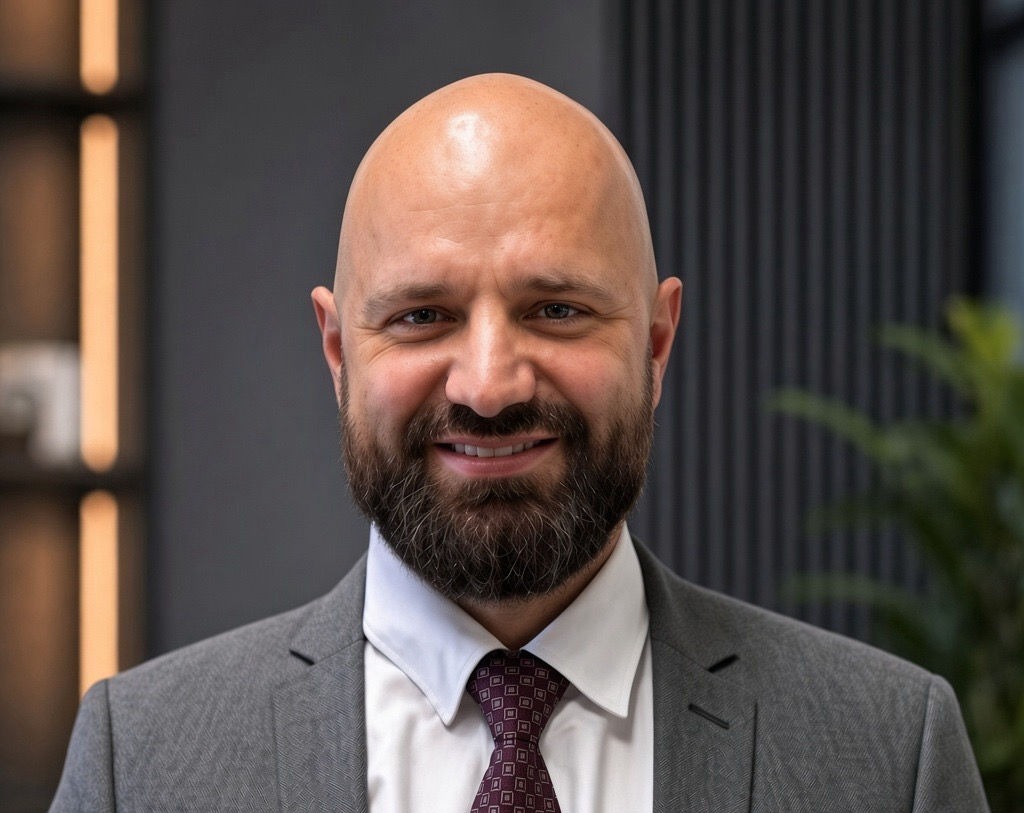
Prof Dr Georg Kranz
Founder
Professor Kranz is a neuroscientist with more than 20 years of research and clinical experience in non-invasive brain stimulation. He began his career at the Medical University of Vienna in Austria, where he conducted extensive research into TMS, establishing a strong academic foundation in brain stimulation science. He subsequently moved to Hong Kong, where he continued his research and university teaching, whilst translating scientific advances into clinical practice.
His background covers multiple TMS systems from different manufacturers, as well as a broad range of neuromodulation technologies, including various forms of transcranial electrical stimulation (TES), electroconvulsive therapy (ECT), transcranial pulse stimulation (TPS), and focused ultrasound. This breadth of experience across platforms and modalities supports a careful evaluation of the strengths, limitations, and optimal clinical applications of each approach. The MagVenture system used at the centre was selected on this basis as the most appropriate option for the services offered.
Throughout his career, Professor Kranz has combined academic research, clinical implementation, and technology evaluation, allowing him to critically assess emerging treatments and apply the most evidence-based approaches in patient care. His work has been published in leading scientific journals, and he has trained healthcare professionals and researchers in brain stimulation techniques internationally.
Drawing on his experience across research, education, and clinical practice, Professor Kranz founded Kranz Neurohealth Partners Limited with the vision of providing scientifically grounded, evidence-based brain stimulation treatments. Today, KNTC stands apart as a specialist center dedicated exclusively to neuromodulation, offering a level of expertise and technological understanding that is rarely available in general psychiatric or rehabilitation clinics.